Help guide
Salvage and Rebuilt Titles in Illinois: What a Total Loss Means for You
By Riverdale Cash For Junk Cars Inc. Published November 16, 2026, updated November 16, 2026.
What is a salvage title in Illinois, and how is it different from a rebuilt title?
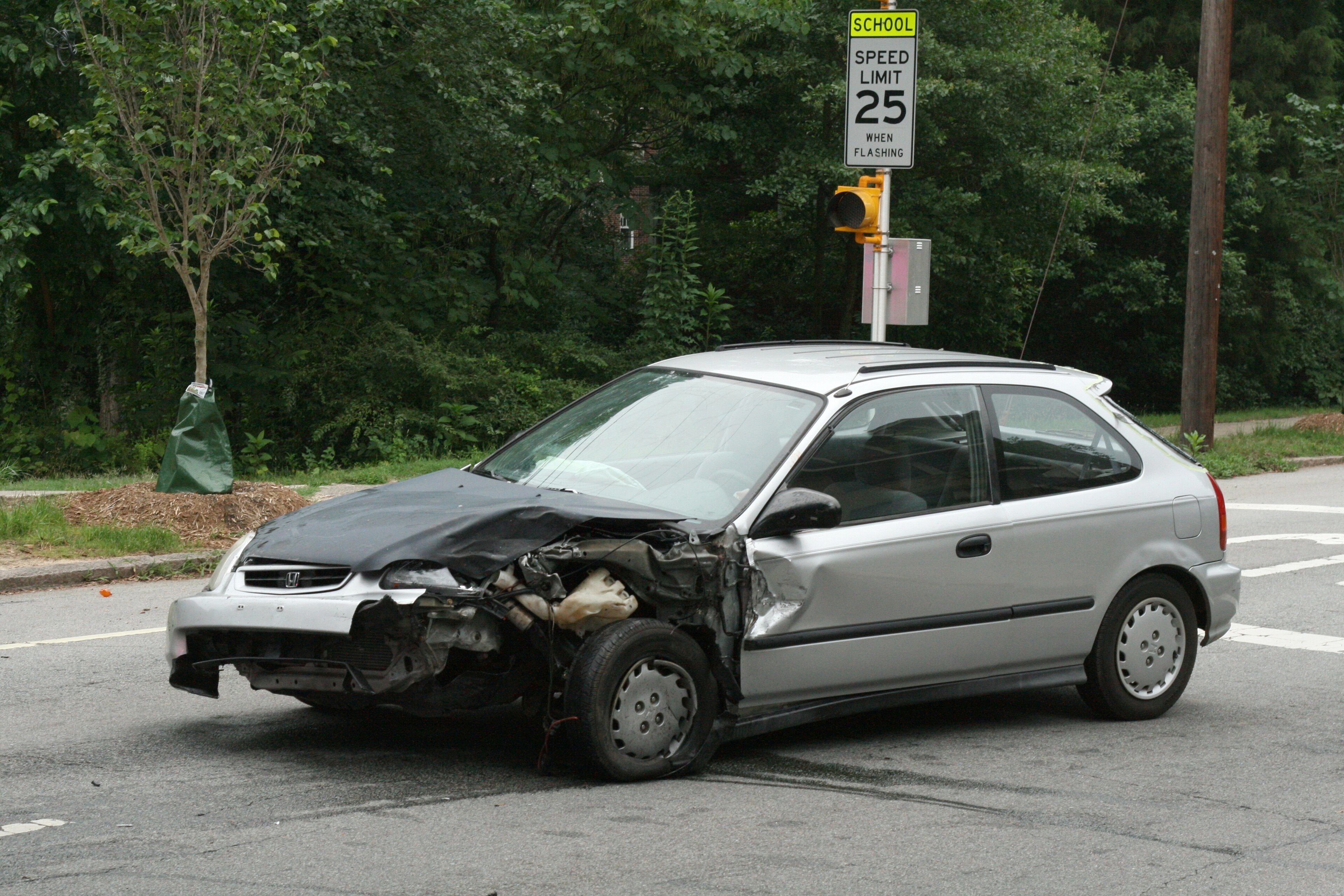
A salvage title in Illinois marks a vehicle as a total loss, usually after an insurer pays it off. The car cannot be driven on public roads. A rebuilt title comes after repairs and a Secretary of State inspection for qualifying vehicles. Both brands cut resale value, so many owners scrap instead.
Two brands, two different jobs
A salvage certificate says a vehicle was damaged enough that it should not be on the road as it is. A rebuilt title says it was repaired and inspected afterward. Illinois law covers the first in 625 ILCS 5/3-117.1 and 3-118, and the second in 3-308. A junking certificate is a third thing, the end-of-life record, explained in the junking certificate guide.
What “total loss” means in the statute
The rule depends on who is applying:
- An insurer that pays a total loss. The insurer becomes the owner, and the vehicle is salvage. The statute carves out hail-only damage that does not affect safe operation, and vehicles nine or more model years old that the owner keeps by agreement. The insurer applies within 20 days.
- A company that covers its own losses. The vehicle is salvage if the company deems it a total loss, or if repair costs including labor exceed 70 percent of the pre-damage fair market value.
- A repossessed vehicle. Salvage only if damage is more than 50 percent of fair market value.
- A flood vehicle. Water must reach over the door sill and into the passenger or trunk space. It is salvage only if repairs exceed 50 percent of fair market value. Any certificate or title is then marked “flood.”
- Auction and other purchase certificates. The buyer picks salvage or junk and applies within 20 days.
Notice the nine-years line. An older car with a big repair bill can stay with its owner. That is why a ten-year-old sedan with a crushed front can still carry a clean-looking title in your hand while being worth little. See what decides a junk car’s value.
You cannot drive it
Under the same section, junk or salvage vehicles may not be driven on Illinois roads. Violation is a Class A misdemeanor. The exceptions are narrow: a salvage vehicle with special plates driving to or from a required inspection, or one with a short-term permit for the length of that permit. If your car is in this category, plan for a flatbed. Our wrecked cars page shows what a pickup of a crash-damaged car looks like.
Salvage to rebuilt: the inspection
Section 3-308 says the Secretary of State must inspect two groups before a rebuilt title issues: vehicles eight model years old or newer for which a rebuilt-vehicle title application will be submitted, and any foreign vehicle that is or may have been salvage. The inspector checks that identification numbers on the vehicle and its parts have not been removed, altered or defaced, that the title application is true and correct, and that there is no sign the vehicle or its parts were stolen. The state sets procedure and fees by rule, so use the Secretary of State’s current forms.
Before a salvage certificate is issued, the Secretary of State also must verify the application through NMVTIS, the national vehicle history system. That is why a brand rarely disappears in a title wash, and why a rebuilt car’s history follows it to every future buyer.
Who can buy a salvage car
Under section 3-118(c), a salvage certificate can be assigned to a rebuilder, an automotive parts recycler, a scrap processor, or an out-of-state salvage vehicle buyer. A junking certificate, by contrast, can be assigned to anyone. Insurers and salvage dealers who take title in certain situations cannot sell the vehicle to anyone not authorized to buy salvage vehicles under the code.
Practically, that means your buyer pool shrinks. A regular shopper cannot easily register it. A scrapper can use it for weight and parts, a rebuilder for the shell, a recycler for components.
Should you rebuild, sell, or scrap?
Rebuild only if all three hold: you can do the repair for less than the car will be worth afterward, you can pass inspection, and you accept that every buyer will see the brand. Many owners find the numbers do not close. If the damage is severe, an older car, or flood-hit, scrapping is often the clean exit.
For selling, have these ready: the title or salvage certificate, the VIN, the year, make and model, and a clear description of the damage. If you have no title, tell us which papers you have (bill of sale, registration, insurance card). The state’s rules decide which paper carries a scrap sale, and we confirm that when we call you back.
Practical steps for a total-loss owner
- Read the insurer’s settlement letter. See whether they take the car or you keep it.
- If you keep it, ask who files the salvage paperwork and when.
- Photograph all sides, the dash VIN and the odometer.
- Pull plates and refund paperwork, covered in license plates after selling.
- Pick a route: repair and inspect, sell to a salvage buyer, or scrap it.
Getting an offer on a damaged car
Riverdale Cash For Junk Cars Inc buys wrecked and non-running cars, with free towing and payment at pickup. Tell us what happened and which title you hold through the quote form, and we call you back to talk through the next step. If you want the whole process in order, read how to junk a car in Illinois.